2026-08-25 · Michael
Seasonal Tips for Maintaining Sprinkler Systems in Miami
In Miami's tropical monsoon climate, adjusting sprinkler run times by 30-50% during the wet summer months from June through October prevents overwatering while protecting lawns in neighborhoods such as Coral Gables and Coconut Grove from fungal growth common after heavy afternoon rains.
Spring Startup Procedures for Miami Irrigation
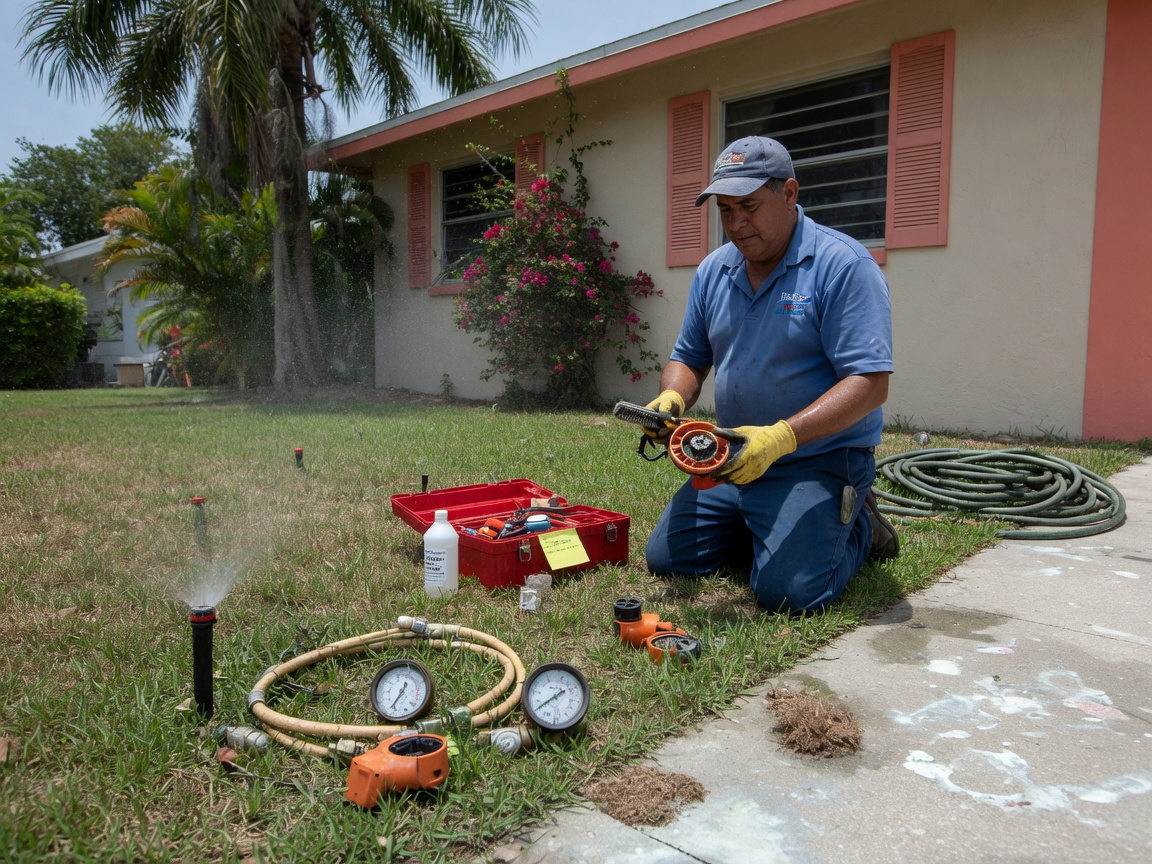
After the drier winter months, inspect all heads and valves in residential areas like Kendall and Doral for clogs caused by sediment buildup in Miami-Dade County's sandy soils. Start by running each zone manually for 5-10 minutes to flush debris, then check for uneven spray patterns that often appear in older homes built before 1990 in Little Havana. Replace any cracked rotors with pressure-regulated models rated for 40-60 PSI to match local water pressure fluctuations. Test the rain sensor override to ensure it activates during the first heavy downpours typical in late spring.
Summer Adjustments During Wet Season
Miami summers bring frequent storms that deliver 6-8 inches of rain monthly, so reduce programmed run times to 10-15 minutes per zone and shift schedules to early morning hours before 7 a.m. to minimize evaporation. In Brickell and Downtown Miami high-rises with rooftop gardens, monitor for pooling around foundation plantings that can lead to moisture intrusion in building slabs. After each storm, walk zones in Wynwood and the Design District to clear debris from heads, as fallen leaves frequently block nozzles and create dry spots. These steps help avoid unnecessary water waste during the peak humidity period.
If storm damage causes a sudden leak or valve failure, contact an emergency plumber available 24 hours, 7 days a week for immediate assessment.
Fall System Checks Before Dry Season
As rainfall decreases in November, recalibrate controllers to increase run times gradually by 20% while monitoring soil moisture in areas like Overtown and Miami Gardens. Inspect backflow preventers for corrosion accelerated by the salt air that reaches inland from Miami Beach and Hialeah. Flush lines thoroughly to remove any mineral deposits left from summer rains, and replace filters on pump systems serving larger lots in Coral Gables. This preparation reduces stress on components heading into the milder but still warm winter months.
Winter Monitoring in Miami's Mild Conditions
Even with temperatures rarely dropping below 60 degrees, check for pipe sweating in unconditioned garages common in older Coral Gables homes during occasional cold fronts. Adjust timers downward by 15-25% in December through February since evapotranspiration rates drop, and inspect for root intrusion around lines in tree-heavy neighborhoods like Coconut Grove. These routine checks maintain efficiency without the freeze protection steps required farther north.
For broader hurricane season plumbing readiness that overlaps with irrigation concerns, review Preparing Plumbing for Hurricane Season in Miami to understand how heavy winds and flooding interact with outdoor water systems.