2026-08-25 · Michael
What Causes Low Water Pressure in Miami Apartments
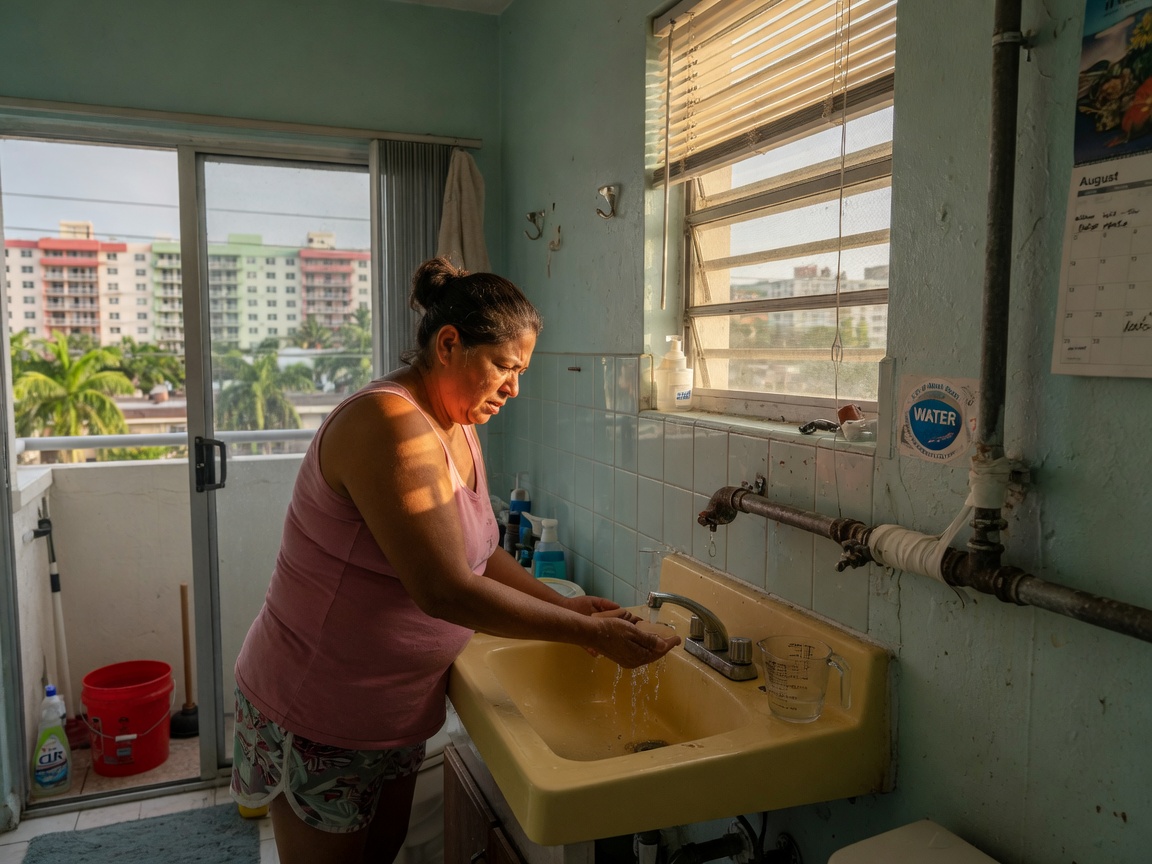
Low water pressure in Miami apartments most often results from corroded galvanized steel pipes installed before the 1980s or from aerators clogged by calcium and sediment stirred up during heavy summer rains. These problems appear regularly in multi-unit buildings throughout Downtown Miami, Brickell, and Wynwood where older plumbing shares supply lines with dozens of units.
Aging Galvanized Pipes in Pre-1980s Buildings
Many apartments in Little Havana, Overtown, and parts of Coral Gables still rely on galvanized steel lines that corrode from the inside after decades of exposure to Miami's mineral-rich water. Rust flakes restrict flow and create pressure drops that worsen on upper floors. In buildings constructed between 1950 and 1975, these pipes commonly last 40 to 60 years before noticeable restrictions appear. Residents notice the change first in morning showers when simultaneous demand across units further reduces flow. Replacing sections of these lines requires cutting through walls or ceilings, and the work often coincides with other updates in older concrete structures common in Miami-Dade County.
Sediment and Mineral Buildup from Tropical Rains
Miami's tropical monsoon climate brings intense downpours from May through October that stir sediment in municipal lines and increase mineral deposits inside fixtures. Aerators and showerheads collect this material faster than in drier regions, cutting pressure within months. In high-rise apartments near Bayside Marketplace or the Design District, vertical risers accumulate scale that narrows the effective pipe diameter over time. Regular cleaning of accessible aerators restores some flow, yet persistent issues usually require flushing the branch lines or installing whole-unit filtration. The hot, wet summers accelerate this process compared with cooler months when rainfall tapers.
Shared Supply Lines and Peak Demand in Dense Neighborhoods
Brickell and Coconut Grove apartments frequently share main supply risers sized for earlier occupancy levels, so added units or modern fixtures create bottlenecks during evening peak hours. When multiple residents run showers and appliances at once, pressure drops sharply on the upper floors. Similar patterns occur in Hialeah and Miami Beach buildings where older infrastructure meets newer high-density construction. Checking the main shutoff valve position and testing pressure at the meter helps isolate whether the restriction sits inside the apartment or in the building's shared system. Persistent low readings often point to partially closed valves or debris lodged in the service line feeding the property.
How Leaks and Corrosion Compound Pressure Loss
Small undetected leaks in branch lines behind walls lower available pressure even when the main supply remains adequate. In Wynwood and the Design District, where many apartments occupy converted industrial spaces, flexible connections and mixed pipe materials increase leak risk. These leaks also allow air into the system, creating sputtering at faucets. Professional water leak detection & repair locates hidden losses without unnecessary demolition. Addressing them early prevents further corrosion and restores consistent flow across multiple units.
When to Call for On-Site Diagnosis
If cleaning aerators and checking valves does not restore pressure, the next step involves testing static and dynamic pressure at multiple points inside the apartment. A 24-hour plumber can isolate whether the problem lies in the building riser, the apartment branch, or municipal supply. Good Plumbers FL remains open 24 hours, 7 days a week for these assessments across Miami-Dade County and nearby cities such as Coral Gables and Hialeah. Technicians carry gauges and scopes suited to older galvanized systems common in the area.
Understanding these local conditions helps Miami apartment residents recognize when low pressure signals a fixable fixture issue versus a larger building or municipal problem. Targeted inspection prevents unnecessary replacements while addressing the actual restriction.